STREAMLINING / THE 1930s
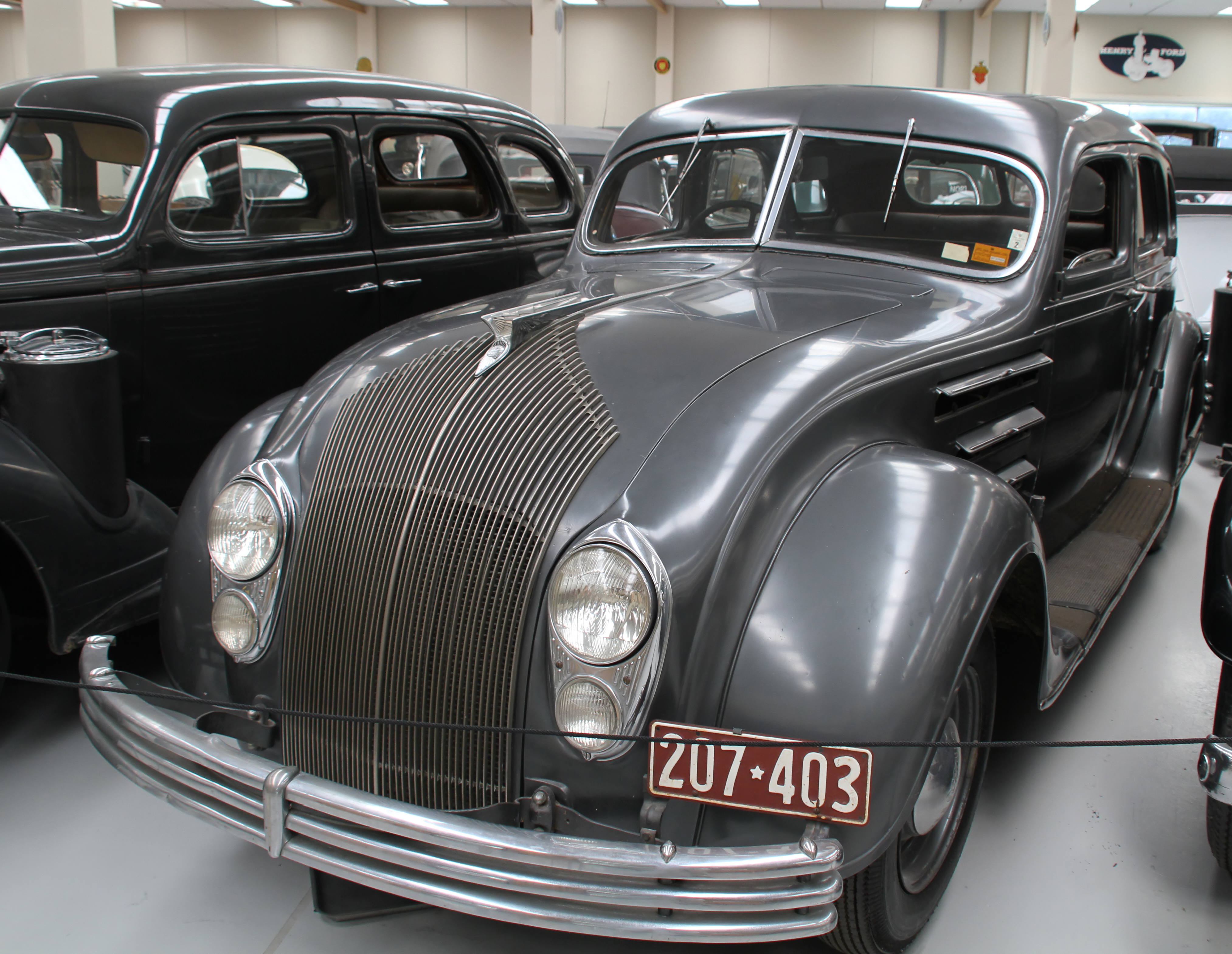
The 1934 Chrysler Airflow can look surprisingly natural to modern eyes. Its rounded nose and integrated body seem easier to understand after decades of streamlined cars. That makes it worth pausing before repeating the familiar verdict that buyers simply rejected the future. The Airflow’s story involves manufacturing as well as appearance.
The shape began with an engineering question
The Studebaker National Museum’s account credits Chrysler engineer Carl Breer with developing the radical shape using a wind tunnel. The body was not merely a conventional car with a fashionable grille. Aerodynamic study helped guide the larger form.
The museum also describes an early unitized approach associated with engineer Fred Zeder: a square-tube skeleton welded to the chassis. All-steel construction and a V-shaped windshield were part of the package. Those details make the Airflow interesting beneath the surface, although its construction should not be casually equated with every later type of unibody car.
Being advanced did not make production simple
The Henry Ford’s record of a 1937 Airflow notes two pressures: a complex body that created manufacturing problems and customers hesitant about the unconventional appearance. A short explanation that mentions only styling leaves out a significant part of the story.
A car must work as a manufactured product as well as a design proposal. That distinction is especially useful when looking at ambitious vehicles of the Depression years. The completed shape is what survives in photographs; the difficulty of building it consistently is much less visible. The Airflow asks the reader to consider both.
How to look at an Airflow today
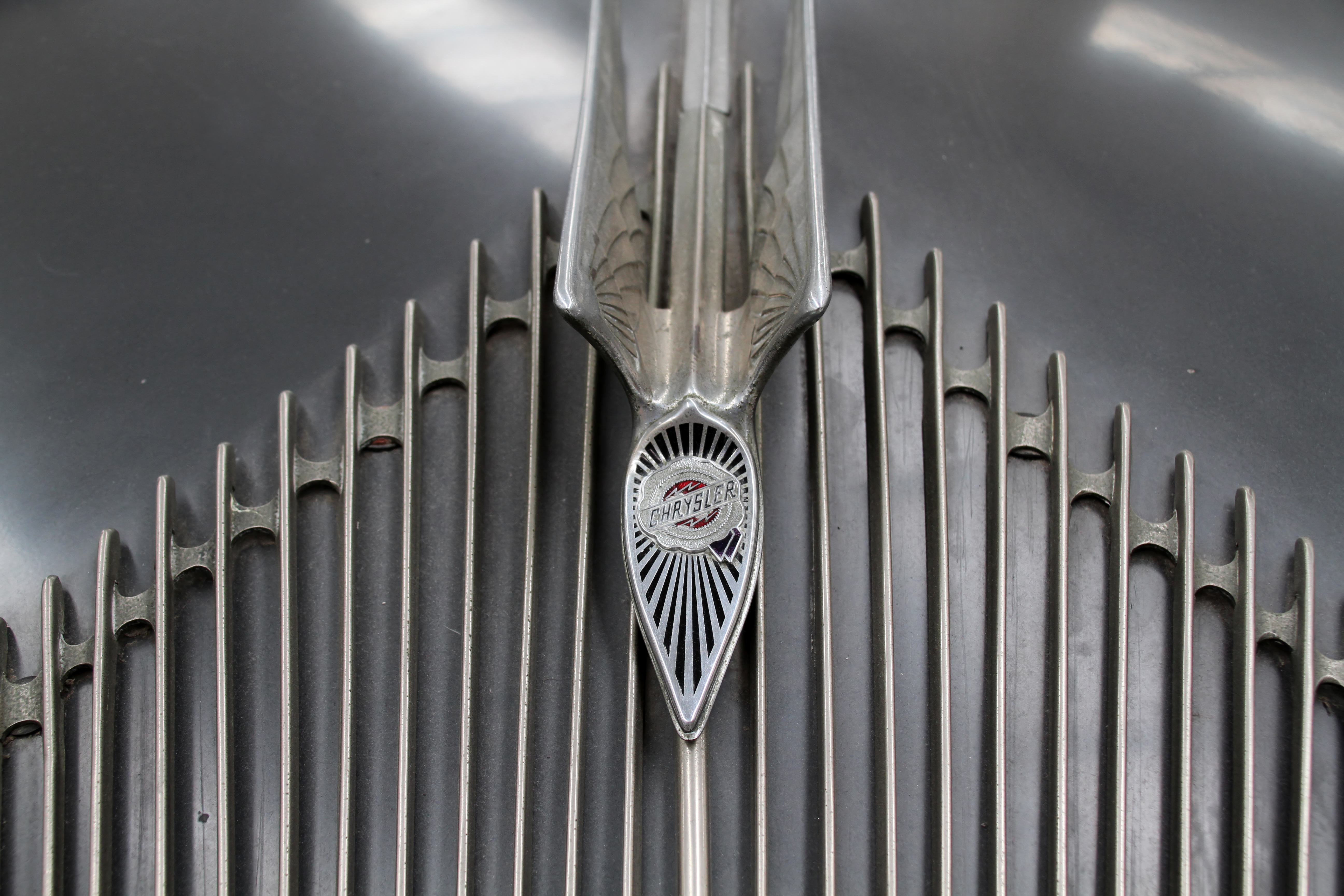
Start with the front rather than the badge. Notice how the nose, windshield and roof participate in a rounded overall form. Then compare it with a more upright car from the same period. The point is to see the change in the whole body, not simply to decide whether one grille is prettier.
The Studebaker museum records later revisions toward a more conventional appearance, and both museums place the end of the Chrysler Airflow line in 1937. Its brief career makes it a useful counterweight to histories written only around commercial winners.
For an enthusiast, the most rewarding fact is that a bold car can struggle in the marketplace and still deserve close study. The Airflow preserves a serious attempt to connect airflow, structure and passenger-car design. Its difficulties are part of that achievement’s history, rather than an inconvenient footnote to it.
Sources & further reading
Studebaker National Museum: 1934 Chrysler Airflow
The Henry Ford: 1937 Chrysler Airflow Sedan