ITALIAN ENGINEERING / 1922
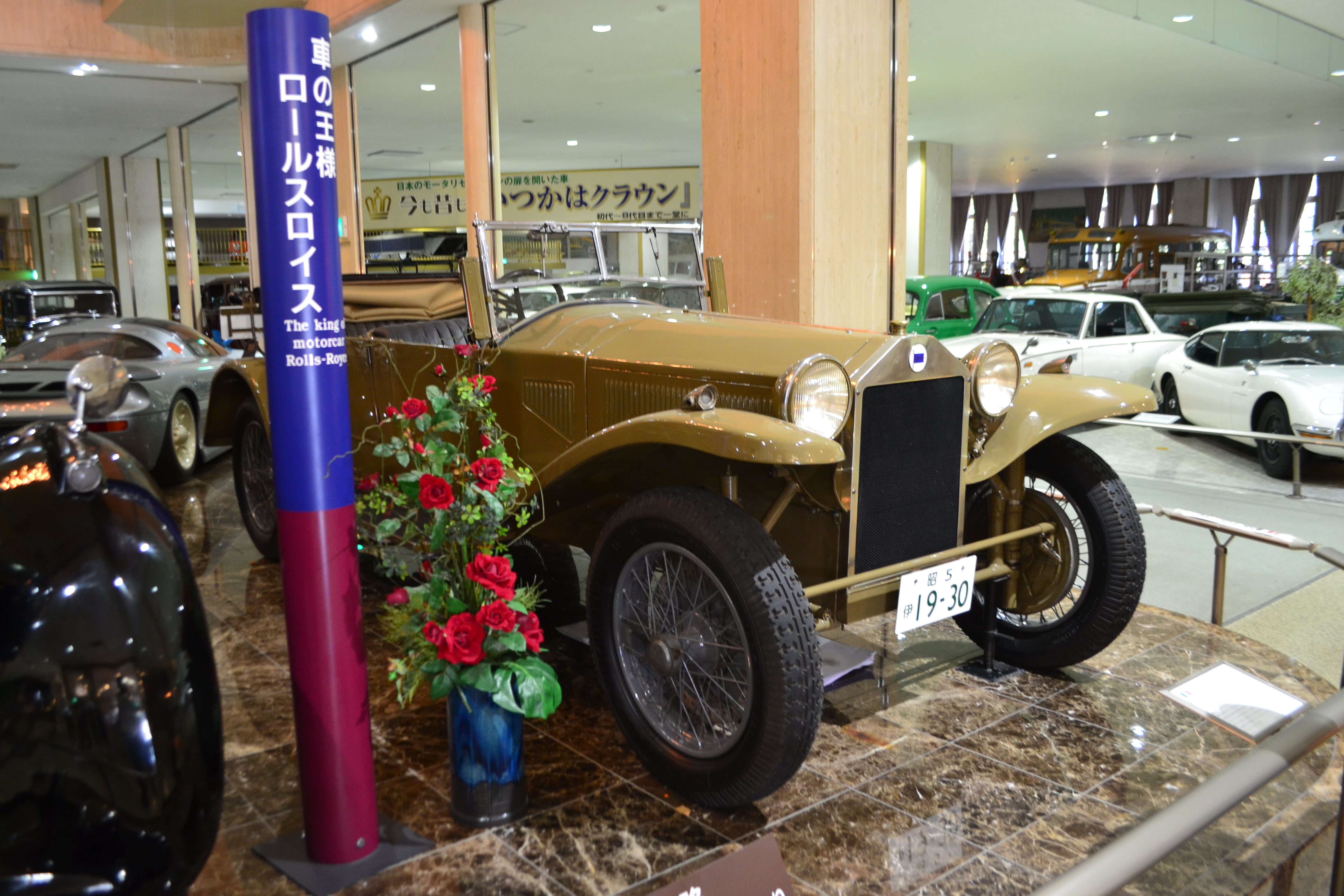
An open touring car from the 1920s does not immediately suggest the foundations of modern vehicle construction. Yet the Lancia Lambda is exactly the kind of classic that rewards looking beyond the polished body and exposed wheels. Its most consequential ideas concern what carries the load, where the passengers sit and how the front wheels move.
The body became part of the structure
In its historical description of the Lambda, Stellantis Heritage identifies its 1922 introduction and a unitized body that combined structural functions traditionally assigned to a separate chassis. Integrating those functions could increase rigidity while limiting weight.
The important distinction is that the body was doing structural work. It was not simply an ornamental enclosure fitted to a conventional frame. Because the Lambda was an open car, this story also avoids an easy visual trap: a load-bearing body does not have to look like a modern closed sedan to represent a major change in thinking.
A lower floor changed the whole package
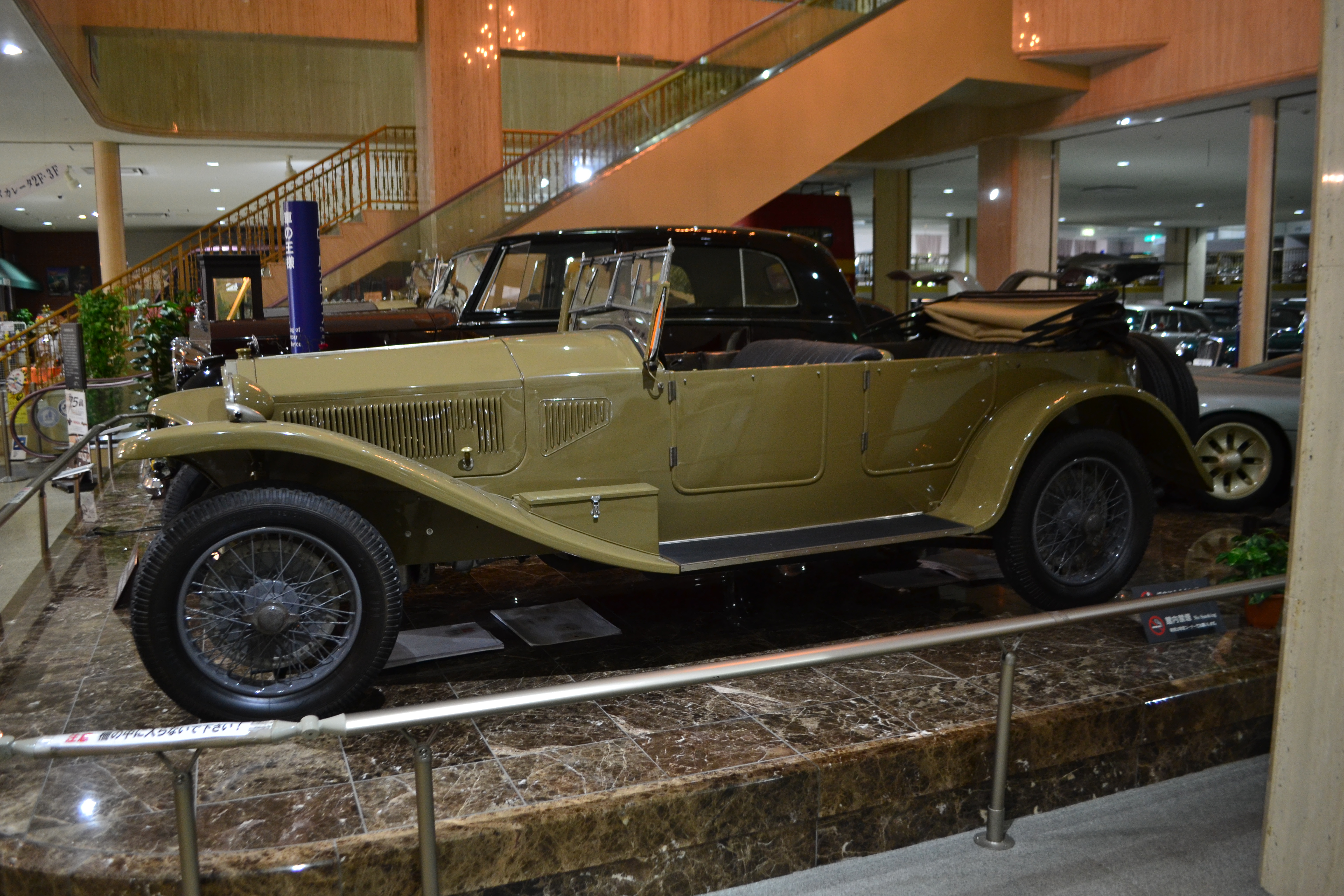
The manufacturer’s account describes a lowered floor and a tunnel for the driveshaft. The Simeone Foundation Automotive Museum explains the benefit in human terms: passengers could sit beside the tunnel rather than above it, helping lower the car’s profile.
This is a useful way to read historic engineering. A component’s location affects more than the component itself. The floor arrangement influences seating height, which influences the body’s proportions. What looks like an elegant styling decision may begin with a much less visible packaging choice.
Innovation did not stop at the shell
The Lambda also used independent front suspension. Simeone describes a sliding-pillar system, with each wheel able to move vertically. Stellantis notes the compact narrow-angle V4 engine, another departure from the more familiar straight-four arrangement.
There were tradeoffs. Simeone observes that the integrated structure restricted the freedom to fit different coachbuilt bodies, an important consideration in a market where customers could value a separate coachbuilder’s work. A construction method can solve one problem while making another kind of flexibility harder to offer.
That makes the Lambda more interesting than a simple list of automotive firsts. It shows engineers reconsidering several connected systems, then living with the consequences. When viewing one, look at the low body and seating position before concentrating on the grille. The quiet revolution is in the relationship between structure, passengers and running gear—a story the car’s graceful touring-car appearance can easily conceal.
Sources & further reading
Stellantis Heritage: Lambda Torpedo Ballon engineering history
Simeone Foundation Automotive Museum: 1924 Lambda Third Series Tourer