AMERICAN INDEPENDENTS / 1948
Three headlights. A rear-mounted engine. A name that still starts arguments. The Tucker 48 is one of those cars whose reputation can overwhelm the machine itself. Look past the legend, though, and a more interesting story appears: an ambitious automobile with real safety ideas, some unfulfilled promises, and a company struggling to turn excitement into production.
The center headlight did a real job
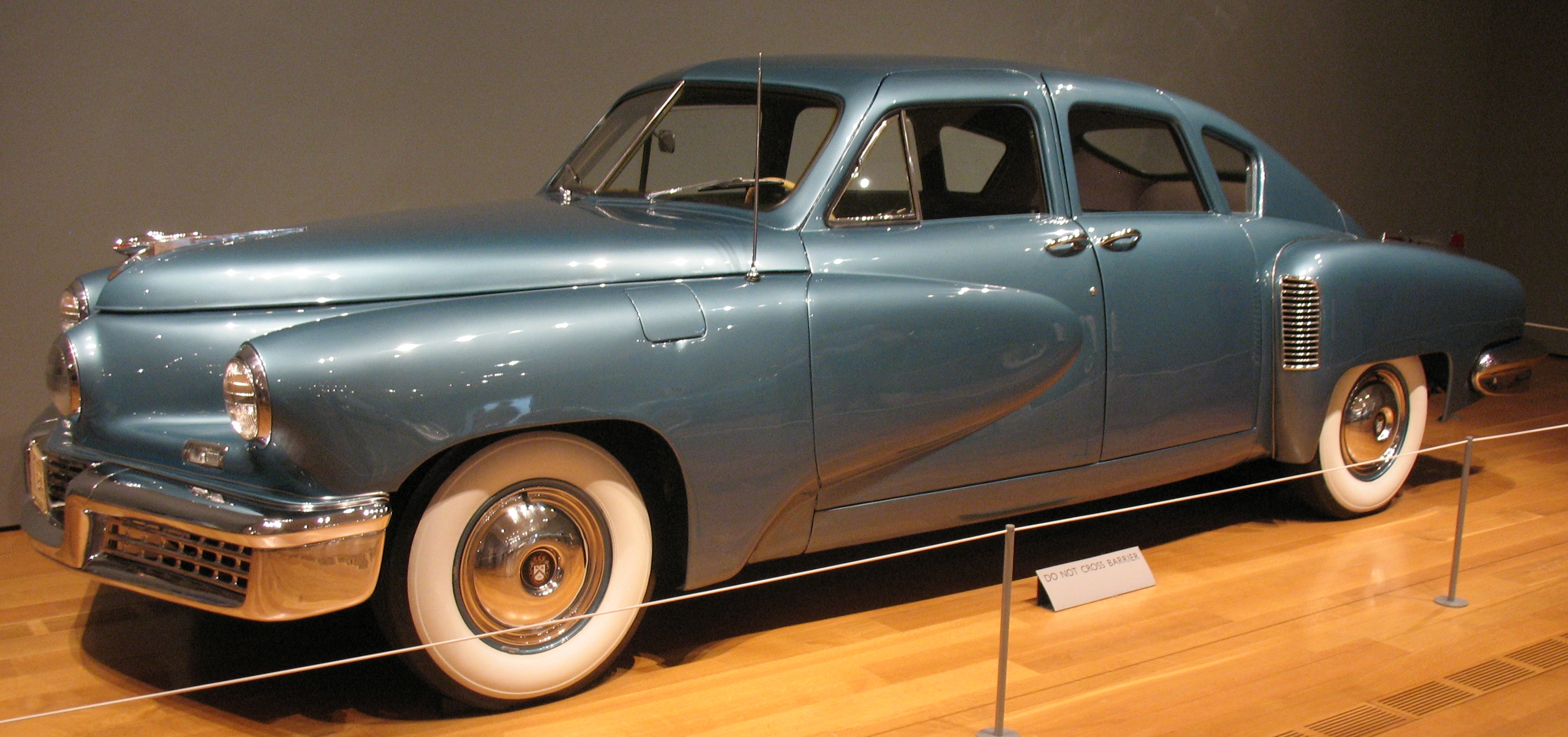
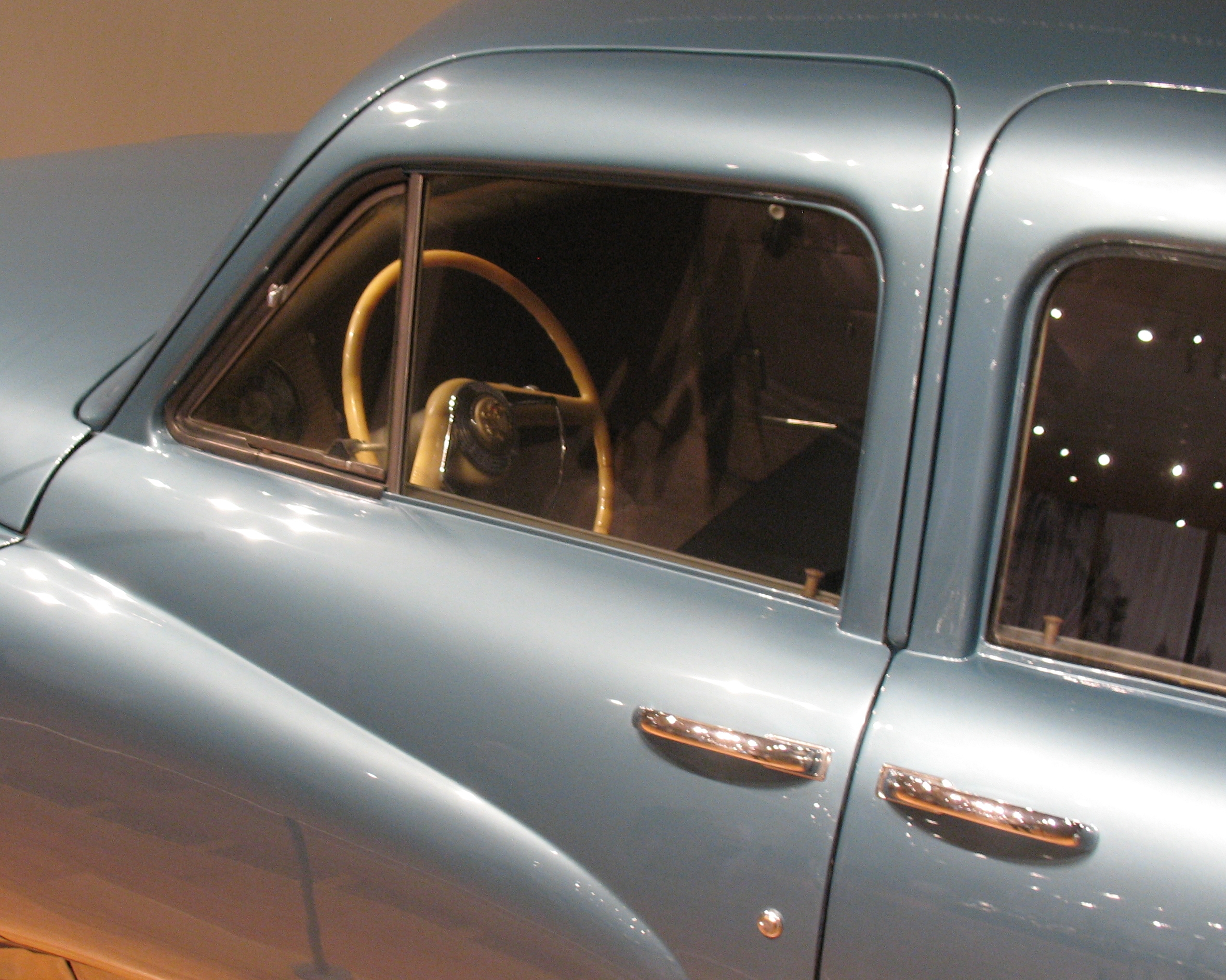
The Tucker’s central lamp turned with the front wheels, helping illuminate the direction of a corner. The Henry Ford’s collection notes also point to less theatrical details: taillights visible from the side and doors that extended into the roof to make entry and exit easier. These were practical ideas wrapped in a spectacular shape.
The rear engine was another defining feature. It helps explain why a Tucker photograph rewards a second look: the proportions, ventilation openings and luggage arrangement do not follow the usual front-engine sedan pattern. The car’s appearance was tied to an unusual mechanical layout, rather than decoration alone.
A brochure is not a production specification
One of the most useful objects in The Henry Ford’s Tucker collection is a 1948 sales brochure. The museum explicitly cautions that promised disc brakes and a torque-converter transmission did not reach production. That distinction matters whenever a futuristic feature list gets repeated as a description of every completed Tucker.
A proposed car, an early prototype and a finished customer automobile can tell different stories. With the Tucker, checking which version a claim describes is part of understanding the history. The features that actually reached the cars are impressive enough without borrowing equipment from an unrealized plan.
Why 51 cars became a lasting story
The Smithsonian’s business-history account records 51 automobiles and describes the difficulty of raising capital and establishing factory production. It also notes the Securities and Exchange Commission investigation. Its treatment leaves room for complexity rather than reducing the company’s failure to a single villain.
That makes the Tucker especially compelling as a classic. It preserves a moment when postwar buyers wanted something new and an entrepreneur tried to supply it on an enormous scale. The enduring fascination comes from the gap between those ambitions and the small number of cars that emerged. Look at one as both an automobile and a business experiment, and the familiar three-eyed face becomes considerably more revealing.
Sources & further reading
The Henry Ford: 1948 Tucker sales brochure and production caveats
Smithsonian: Starting Up—The Tucker Sedan