By Olympic Equipment
A low sports car can make a lift purchase look simple until you start lining up the actual car with the actual equipment. Capacity is rarely the hard part. Clearance, the spacing of the lifting points, the way the car sits today rather than in a brochure photograph, and the work you intend to do all belong in the conversation before you compare model names.
This guide covers three short-wheelbase cars that raise overlapping, but not identical, questions: Chevrolet Corvettes, Porsche 911s, and Mazda Miatas and similar compact cars. The point is not to recommend one lift for a badge. It is to help you build a vehicle record that a supplier can actually review.
Start with the car in front of you
Write down the model year, exact variant or generation, body style, and drivetrain, along with any changes to suspension, wheels, exhaust, aerodynamic parts, chassis braces, or low bodywork. Keep factory information and aftermarket changes distinct, so it is clear what describes the car as it left the factory and what describes it now. Include the VIN in information you share privately with an equipment supplier. If other compact or low cars will share the bay, give them the same level of detail.
Use the official document path for that car, not a diagram copied from a similar model. Chevrolet’s official manual finder, for example, separates documents by year, make, and model and points owners toward GM service information. Porsche’s owner-manual help page points owners to digital manuals selected by model year or VIN and explains other ways to reach the applicable manual. Mazda’s U.S. owner-resource page selects information by year and model. An owner-manual portal is a starting point, not a complete lift-fit assessment. Ask a qualified service professional for any additional workshop lifting information the car requires. Instructions for a roadside jack should not be treated as approval for a different contact system on a shop lift.
Clearance is more than a single number
A Corvette purchase, especially, often turns on clearance and on having the right vehicle information in hand. Low bodywork, front splitters, and exhaust routing can all affect whether the car can approach a lift and whether approved contact points can be reached. Start with the car as it exists today, rather than a photograph of a similar vehicle already on someone else’s lift.
For any of these cars, supply current clearance information and describe the approach into the bay: ramps, floor transitions, and anything that sits below the lowest advertised ground-clearance figure. A lift’s lowered height, ramps, pads, and extensions all belong in that comparison. Do not assume that a short overall body length, or a reputation for being low, is a substitute for measured wheelbase, contact-point spacing, and the approach the car will actually make.
Capacity is the wrong first question for a 911 or a Miata
The 911 name covers a wide range of cars and ownership plans. A carefully chosen lift starts with the individual Porsche and the jobs expected of the garage, rather than a generic capacity recommendation attached to the badge. Give the reviewer documented vehicle-weight information and ask what additional information is needed about load distribution. Avoid substituting a familiar description of how a 911 carries its mass for the conditions stated in the exact lift manual.
Tell the reviewer whether planned work could involve removing substantial components. That is a planning question for qualified professionals: ask whether the proposed lift and any additional support equipment can serve the intended work. A lift that is suitable for an intact car is not automatically suitable once major parts are off.
A Miata or another short-wheelbase car can present a surprisingly detailed brief even when its weight makes capacity look straightforward. Specifications often highlight maximum reach or the largest vehicle a lift can accept. For a short car, ask the supplier to evaluate minimum arm reach and the way the complete arm-and-pad arrangement meets the correct lifting points. A higher-capacity lift is not necessarily more accommodating of closely spaced points. For a runway lift, request the applicable wheelbase and wheel-placement limits. Ask what the listed runway length includes, and how this particular car is evaluated against the usable support area.
What to send with a review request
A useful packet is more than a model name:
- Exact year, variant or generation, body style, drivetrain, and a private VIN if the supplier needs it to locate documents.
- A clear list of modifications, including suspension, wheels, exhaust, aero parts, braces, and low bodywork, distinguished from the factory specification.
- Documented weight information and any load-distribution questions the reviewer asks for.
- Current clearance, wheelbase, and the approach into the garage, including ramps and the lowest hanging parts.
- The work you intend to do, including whether components may be removed, and measurements of the bay itself.
- Links or copies of the applicable owner-manual or service-information path for that car.
Ask the supplier for a written application review of the exact car and the exact equipment, including any accessories. A product link is an invitation to compare equipment, not a fit approval.
This educational planning guide does not replace current manufacturer instructions, qualified training or a site-specific professional assessment. Buying guidance only, not vehicle lifting, installation or repair instructions.
Vehicle makes and model names identify the intended readers and do not imply manufacturer endorsement or approved compatibility. Vehicle portals help locate the right documents; this article does not reproduce a VIN-specific workshop procedure or certify any vehicle-and-lift combination.
Olympic Equipment sells automotive lifting equipment and has a commercial interest in the products discussed. Prepared with AI assistance using the linked public sources. No firsthand testing, independent endorsement or human technical review is claimed.
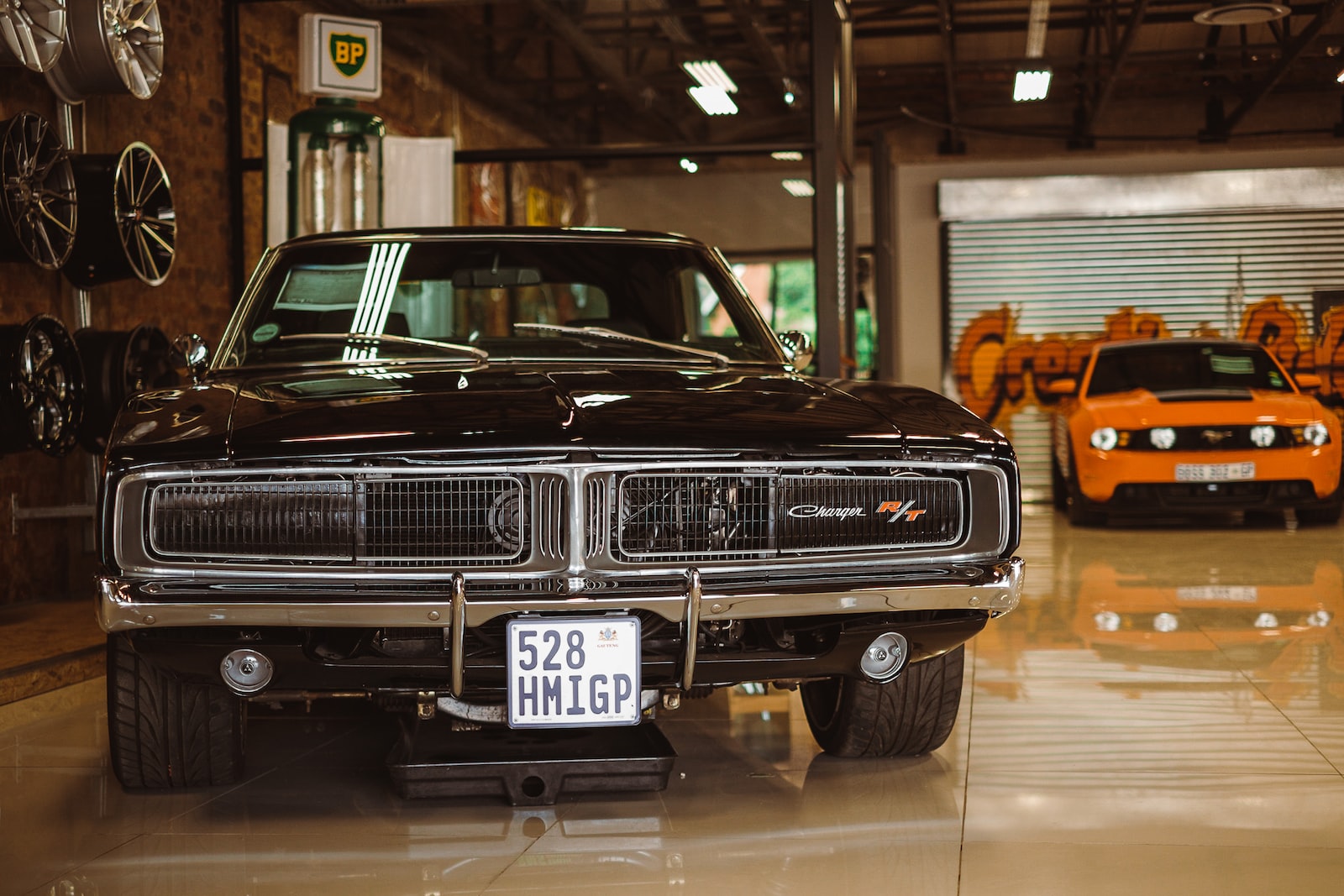
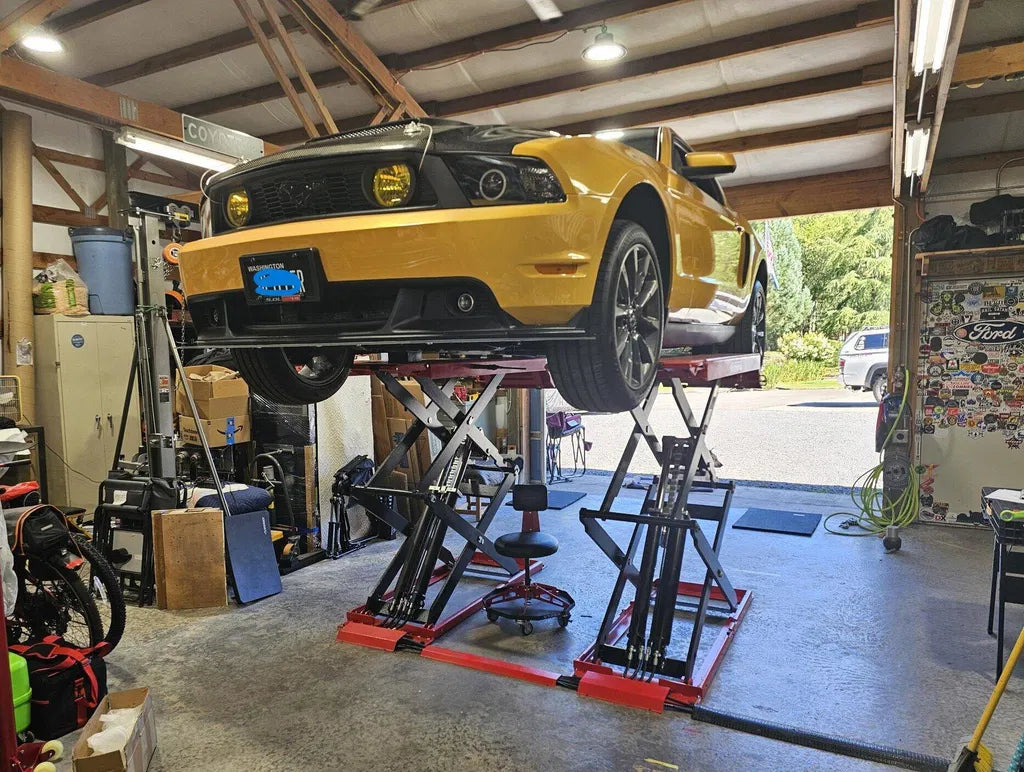
Cover graphic is an editorial illustration, not a lifting diagram. Call 866-774-4531 or contact Olympic Equipment with your vehicle details and garage measurements.
For vehicle contact information, use the correct manufacturer documents and, where applicable, the current ALI lifting-points reference. Confirm every proposed model and accessory against its own instructions; the Olympic manual library is the starting point for those documents.