By Olympic Equipment
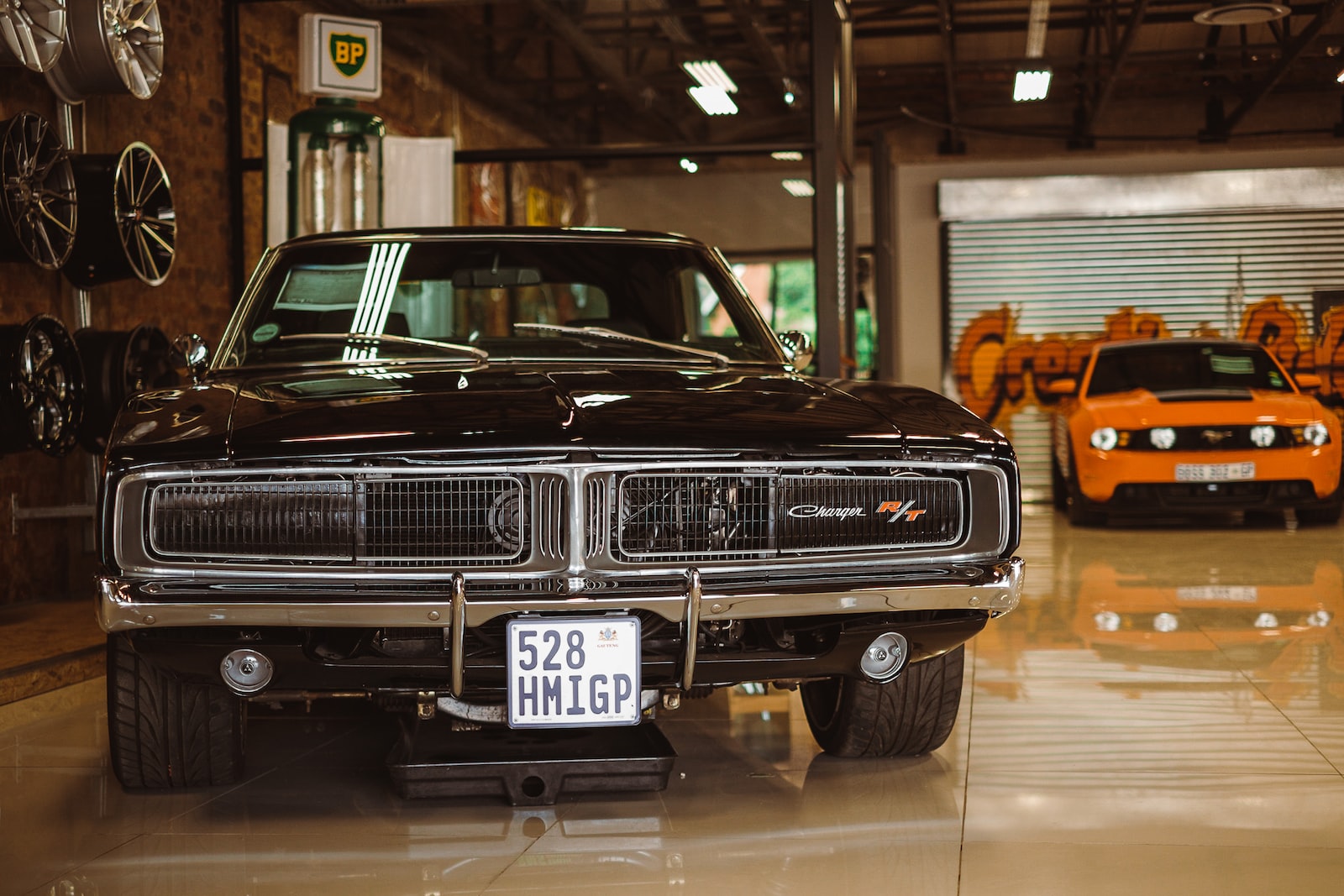
A fleet is not one typical truck. Two vehicles can share a badge and still differ in wheelbase, body, load, and approved lifting points. A stock pickup parked beside a work truck with permanent equipment makes the point clearly: the name on the grille does not tell you the current weight distribution, or whether the same lift arms can reach suitable contact points.
Capacity is one check, not the whole selection. A useful quote starts with a useful record of the vehicles, the work, and the bay. This guide walks through the configuration details that most often change an equipment recommendation, and it ends with a single list of what to send a supplier before you ask for numbers.
Record the completed vehicle, not just the badge
Identify each exact year, model, wheelbase, and completed body configuration. Collect reliable current weight and, when it matters, load-distribution information for the condition in which the vehicle will actually be serviced. Ask for a written application review for each configuration rather than extrapolating from a nameplate.
A service body or utility bed changes more than the truck’s appearance. Permanent compartments, tools, and equipment add weight and can shift how that weight is carried. A body that projects past the cab can also change access around lift arms and around the vehicle itself. Photograph the installed compartments, the permanent equipment, and the access around the chassis. Record the completed dimensions and the tools or payload that normally stay on board. Ask which lift, which approved accessories, and which service positions were actually evaluated. A higher capacity label is not proof of fit.
Height, racks, and the bay overhead
Plan for the vehicle and its tallest installed equipment together. A ladder rack can reach an obstruction before the roof does. Record overall height in the intended service condition, including anything that remains on the rack. Check the proposed raised position against doors, tracks, openers, beams, lights, and the lift’s own overhead structure. Then review how the vehicle enters, how a technician moves around it, and the equipment’s working envelope.
A clear floor-level entrance does not prove safe overhead clearance once the vehicle is raised. Have a qualified installer assess the actual bay and the exact lift, using the raised vehicle envelope rather than the doorway alone.
Vans and passenger cars in the same shop
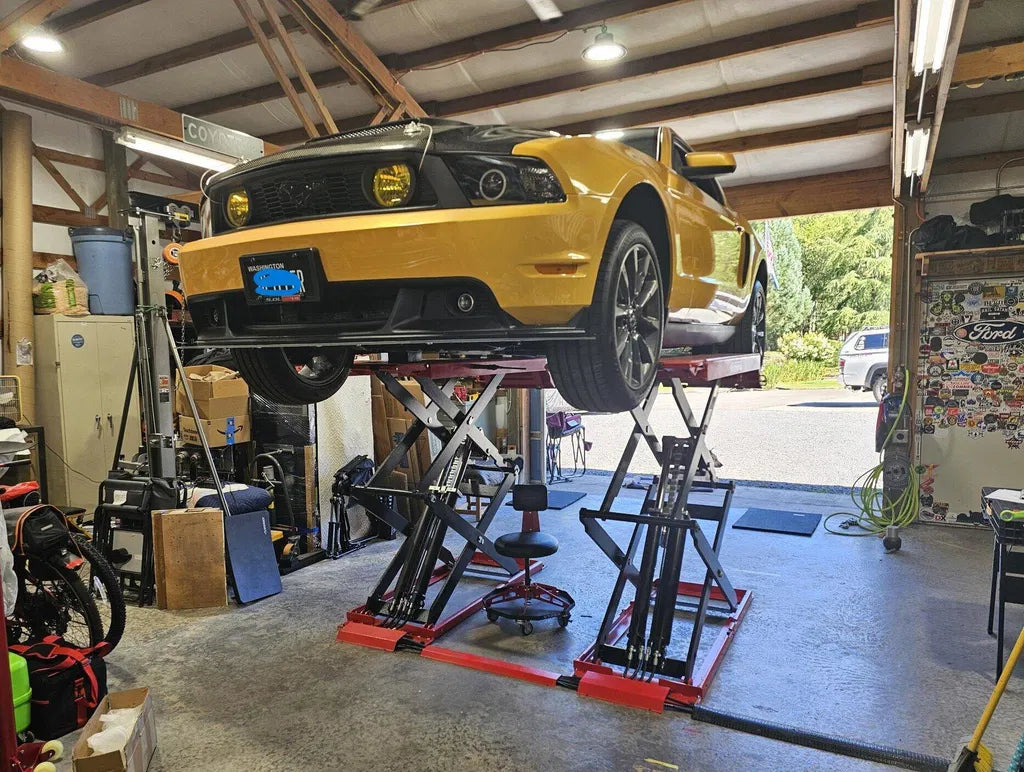
A delivery van and a passenger car may need different access even when their weights look similar. Compare wheelbases, widths, heights, lifting points, and current operating loads. Then list the work: wheel-free brake service, underbody inspection, or another specific task. A drive-on design and a frame-engaging design support the vehicle differently, and any wheel-free accessory on a drive-on lift needs an approved, compatible application.
Ask for a fit review that includes the smallest and the largest vehicles, and any unusual configurations. Choose around the whole fleet and the actual workload, not one representative vehicle.
Running boards, steps, plows, and other add-ons
Running boards and side steps can occupy the space a lift arm or adapter needs in order to reach the vehicle’s approved lifting points. Photograph the exact installation and document the available approach clearance. A step that looks sturdy is not automatically a lifting point. Do not improvise with blocks or with unapproved adapter combinations to get around it. If the documented contact arrangement cannot be achieved, stop and evaluate another suitable setup.
A snowplow or other front-mounted accessory can change vehicle weight, balance, and the space needed around the bay. Document the exact accessory and whether it remains fitted during the planned service. Use reliable information for the vehicle as it actually is, rather than assuming its original weight still applies. Have qualified specialists review the center of gravity, the approved contact points, the lift’s capacities, and the clearances together. A vehicle that is below the lift’s total capacity is not, by that fact alone, a safe application.
Lift kits and modified suspension
Modified suspension can change the geometry that an equipment recommendation depends on. Record the actual modifications, the current ride height, the tires, and the intended work. Check how the exact vehicle’s approved lifting points can be reached using accessories that are approved for the lift.
Extra ground clearance does not automatically make lifting easier or safer. Suspension work may also change balance and support needs as components come off. Have qualified specialists review the vehicle instructions and the equipment application before you choose. Do not infer an approved setup from the appearance of another modified truck.
Plan for the fleet you will have, not only the one you have today
Compare the current fleet with the vehicles and services you realistically expect to add. Separate confirmed purchases from possibilities. For each likely change, record configuration, expected weight information, dimensions, lifting-point requirements, and the work planned. Check whether the proposed equipment and its approved accessories can support those documented applications. Include installation, utilities, workflow, and training in the comparison. Keep uncertain future vehicles marked for another review when the exact machine is known. Buying the largest capacity number alone does not guarantee future compatibility.
What to send before you request a quote
A supplier can only review what you actually provide. Missing information should become a question, not an assumed fit. Before you ask for a quote, assemble:
- A vehicle inventory with year, model, wheelbase, body configuration, modifications, and photographs of the completed truck or van, including compartments, racks, steps, plows, and other permanent equipment.
- Reliable weight information for the intended service condition, and load-distribution information when it is needed, plus the manufacturer’s lifting-point information.
- The work you expect to do, how often, and whether wheel-free access, underbody access, or both are required.
- Bay, overhead, foundation, and utility information, including door tracks, openers, beams, and the tallest configuration that will be raised.
- Confirmed future vehicle or service changes, kept separate from speculative ones.
- A request that the supplier identify, in writing, the assumptions, accessory compatibility, installation responsibilities, and exclusions in the quote.
Ask for a documented fit review against the vehicle instructions, the lift manual, and the approved accessories. Request that review for each configuration rather than one answer for every truck that shares a badge.
A lift recommendation is an application review, not a promise based on vehicle weight alone. Follow the exact vehicle and lift instructions, use only approved compatible accessories, and resolve any uncertainty before installation or use.
Discuss your equipment needs with the Olympic Equipment Sales Team: 866-774-4531 or olympic-equipment.com.
Reference information: ALI smart lift buyer guidance, ALI lift-user guidance, and the Olympic Equipment manual library.
Company-authored educational content. This educational content was prepared with AI assistance. Any conceptual illustrations are planning aids, not measured fit diagrams or operating instructions. Reference pages checked October 30, 2026.
Browse the auto lift and garage-planning video library.