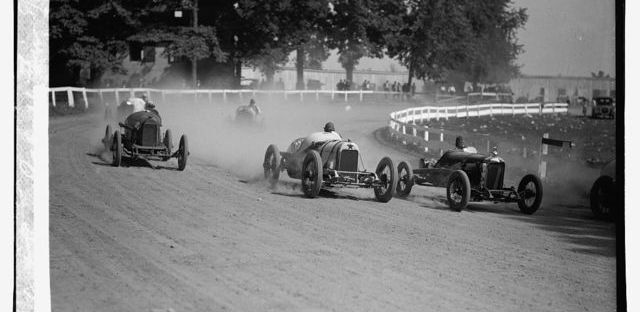
Racing in the early 1900s was an entirely different experience to what we know today. Not only were the tracks dirt, there were also virtually no safety measures in place; racers had nothing but their skill and bravery as protection from harm.
It wasn’t until after World War I that tracks began being paved with concrete, marking the dawn of a new era in racing. Not only did this provide much smoother and faster courses, but it also allowed for stricter safety regulations to be enforced. Drivers were now required to wear helmets and fire-resistant suits and have roll bars installed in their cars – measures that had previously been unheard of on dirt tracks.
The shift from dirt tracks to concrete was not just an improvement in safety, but also a testament to the ever-evolving nature of motorsport. Even today, advances in technology continue to lead the way for improved performance levels and additional race safety requirements being mandated.
Despite the changes over time, one thing remains true: Racing has always been – and always will be – thrilling and exciting, regardless of which type of surface the race takes place on. To experience the thrill of racing is something that can never be taken away – no matter how many safety measures are implemented!
So, if you’re feeling enough to tackle an old-fashioned dirt track or modern concrete course, strap in get ready for one wild ride And please keep in mind your helmet. No matter what surface you choose, safety should always come first. Happy racing!